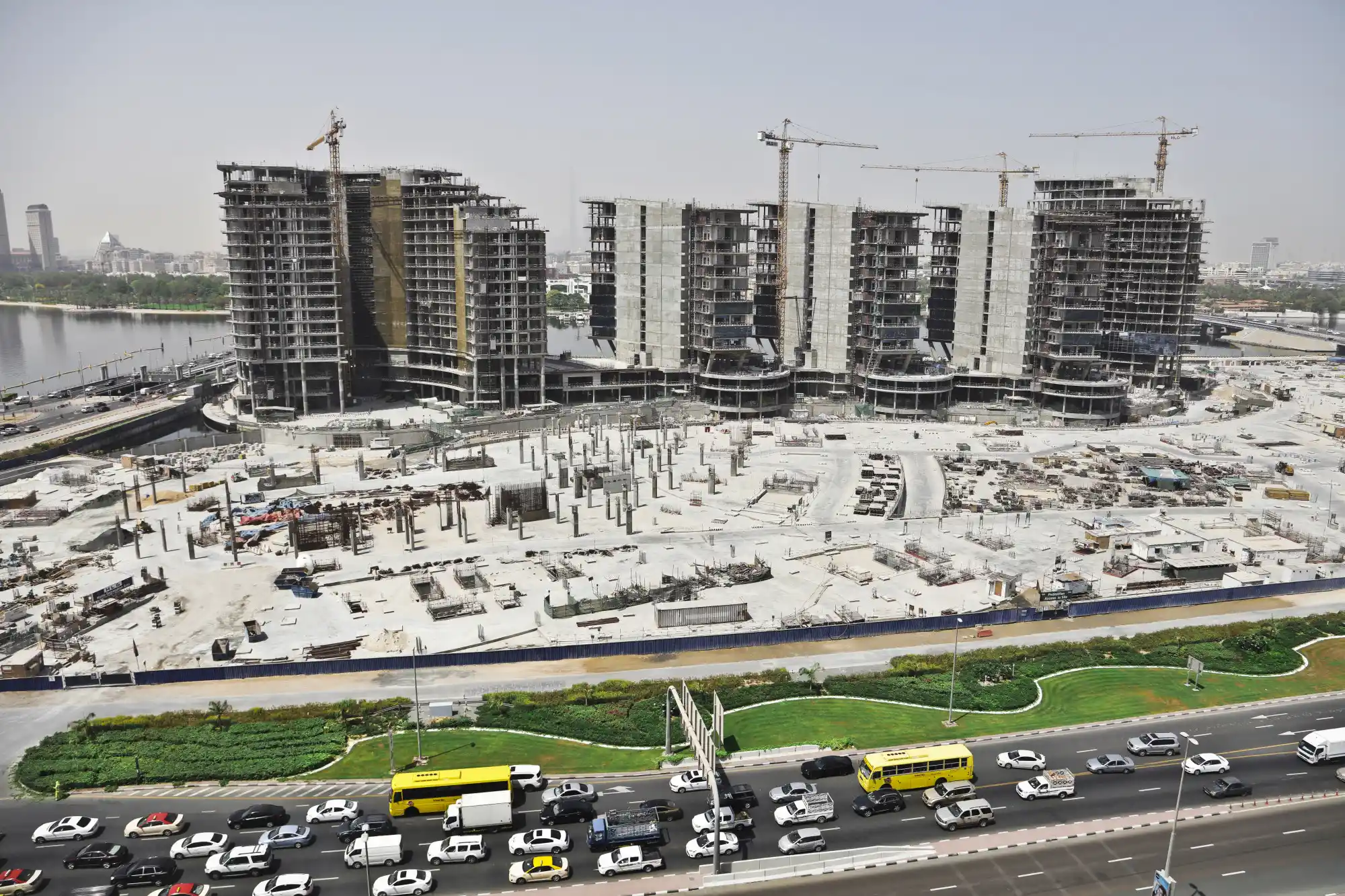

Infrastructure projects rarely begin with the intention of becoming reactive. The shift happens gradually — through small coordination gaps, delayed approvals, fragmented communication, and procurement misalignments that compound over time until the execution environment becomes fundamentally pressure-driven rather than planning-driven.
The Fragmentation Problem
When stakeholders operate with different visibility structures and disconnected communication flows, each team optimises for its own immediate priorities. Consultants focus on specification clarity. Contractors focus on site delivery. Procurement teams focus on sourcing timelines. Project leadership focuses on commercial milestones. Without a shared operational framework connecting these priorities, friction builds quietly between each layer.
The result is not a single major breakdown — it is a gradual erosion of execution confidence across all teams simultaneously.
Where Reactive Environments Begin
Reactive project environments typically originate in the planning and pre-execution phases — long before site activity reflects the problem. Approval delays create procurement uncertainty. Procurement uncertainty creates specification ambiguity. Specification ambiguity creates contractor hesitation. Contractor hesitation creates timeline pressure. Each layer of friction compounds the next.
By the time execution pressure becomes visible on-site, the root cause is often three or four layers removed from what is being managed in the moment.
The Role Of Visibility
Structured execution environments depend on shared visibility across stakeholders, timelines, procurement systems, and communication flows. When visibility is fragmented — even temporarily — teams naturally shift to reactive postures because they are managing uncertainty rather than executing against clarity.
The organisations that consistently deliver structured infrastructure projects are those that invest in coordination frameworks before execution pressure emerges, not after.